
Every year on August 12th, the world celebrates International Youth Day, a day established by the United Nations General Assembly in 1999 (Resolution 54/120) to highlight the role of youth in driving social change. Each year comes with a theme, and the theme for 2017 was “Youth Building Peace.”
For communities like Marsabit County in Northern Kenya, often in the spotlight for ethnic conflict, this theme resonates deeply. Youth have been pivotal in promoting peace and challenging harmful practices. Their dedication to building harmony has not only strengthened their communities but also set a global example.
Youth-Led Peacebuilding Initiatives
- 5KM Peace Walk
In December 2016, the youth of Marsabit organized a 5KM Peace Walk to declare their commitment to peace before, during, and after elections. The event was a resounding statement of unity and resilience. - Peace Forums and Caravans
Youth from Marsabit have hosted dialogues with peers from Moyale (Ethiopia) and Mandera, Kenya. These forums focus on understanding conflict triggers, promoting peaceful coexistence, and developing strategies for conflict prevention. The peace caravans held in Saku, Sololo, and Moyale sub-counties brought communities together under the banner of peace. - Social Media for Peace
Recognizing the potential of social media to either fuel hate or spread harmony, Marsabit youth created peace networks to counter incitement and hate speech. Through these platforms, they shared powerful messages of peace and fostered constructive dialogue. - Helping Hand Initiative
In response to severe drought, youth from diverse ethnic groups in Marsabit united under the “Helping Hand” initiative. This effort mobilized resources for families facing food and water scarcity, showcasing solidarity and compassion.

The Fight Against FGM: A Call for Inner Peace
Peace is not just the absence of violent conflict—it is also the presence of tranquility and security within oneself and one’s community. A significant threat to inner peace in many communities is female genital mutilation (FGM).
In Marsabit, FGM is seen as a transition from childhood to womanhood, with girls as young as 8 subjected to the harmful practice. Its consequences are far-reaching:
- Early Marriage and School Dropout: FGM often leads to early marriage, forcing girls out of school and robbing them of their education.
- Lost Childhood: Young girls burdened with motherhood lose the chance to enjoy their formative years.
- Gender-Based Violence: As child brides, these girls face heightened vulnerability to domestic abuse.
- Sustained Underdevelopment: Disempowered women are unable to empower their children, perpetuating cycles of poverty and inequality.
Efforts by youth, such as dialogues in Sagante Jaldesa Ward, have led to declarations of zero tolerance for FGM. These initiatives, supported by The Girl Generation, IfPC, and other partners, emphasize the critical role youth play in addressing deeply rooted cultural practices.
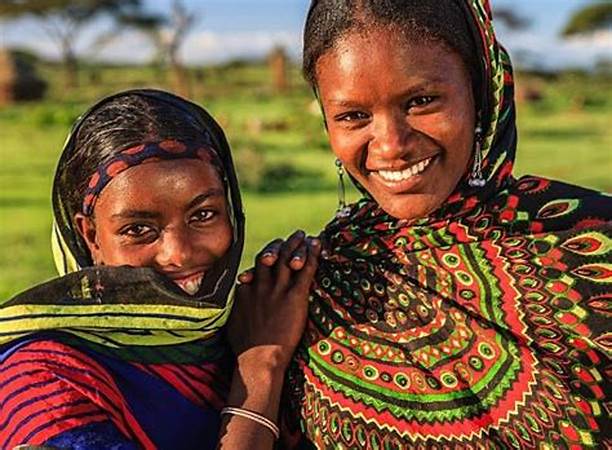
A Vision for the Future
Stopping FGM will lead to profound changes:
- Reduced child marriages and school dropouts.
- Decreased gender-based violence.
- Empowered women and communities.
As we reflect on “Youth Building Peace,” let us commit to creating an environment where girls can enjoy their childhood, pursue education, and build empowered futures. Ending FGM is not just a moral imperative—it is a cornerstone for community development and peace.
A Call to Action
Youth hold the key to peacebuilding. By channeling their energy into transformative initiatives, they can ensure a future free of violence, inequality, and harmful practices. Let us all—youth, families, leaders, and communities—work together to mainstream the End FGM Agenda into every development activity.
From safeguarding childhoods to ensuring safe motherhood, let peace prevail across the world.
Hassan A. Mulata
The Girl Generation End FGM Ambassador – Kenya
Founder/CEO, Initiatives for Progressive Change (IfPC)
📧 hmulata@ifpckenya.org | 🌐 www.ifpckenya.org