
Imagine a sixteen-year-old girl named Bokayo, a baby strapped to her back, seated on a locally made wooden stool beside a “three-stone fire” in her humble home. She stirs a pot of maize and beans—donated by a relief organization—while tears stream down her face, not just from the heavy smoke but from the weight of her reality.

The baby’s cries echo through the room, blending with Bokayo’s unspoken anguish. This young girl, still a child herself, has been forced into motherhood long before she could even dream of her future. Her thoughts wander as she hopes, against all odds, for a brighter tomorrow—a tomorrow free from the hardships that have become her daily reality.
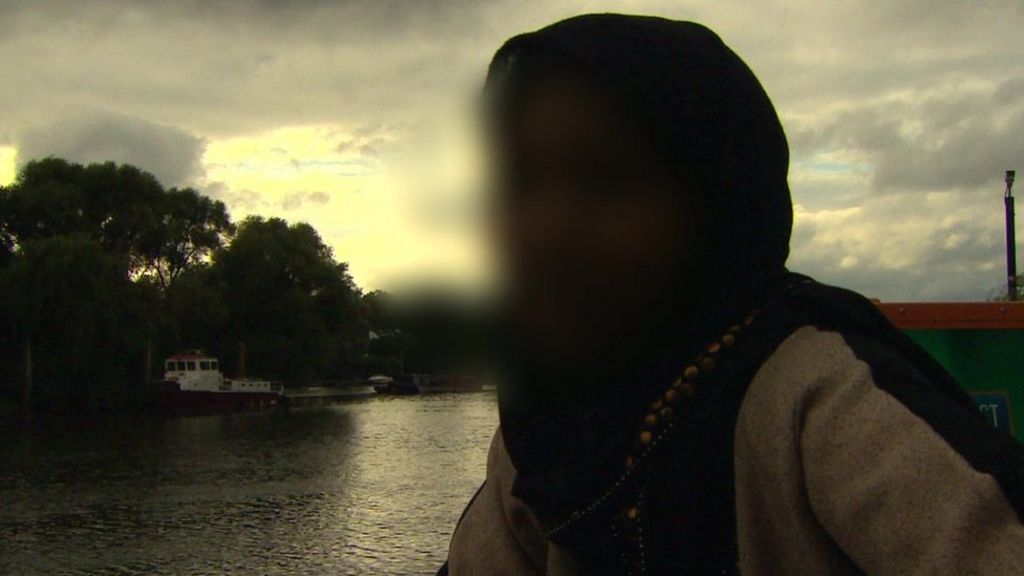
Bokayo’s story is not unique. It is the story of countless girls in our communities who have been subjected to the harmful practice of Female Genital Mutilation (FGM) and forced into early marriages. These girls face lifelong health risks, including infections, complications during childbirth, and even the death of newborns. Stripped of their childhood and denied access to education, they are thrust into the overwhelming responsibilities of adulthood before they even understand what it means to be a child.
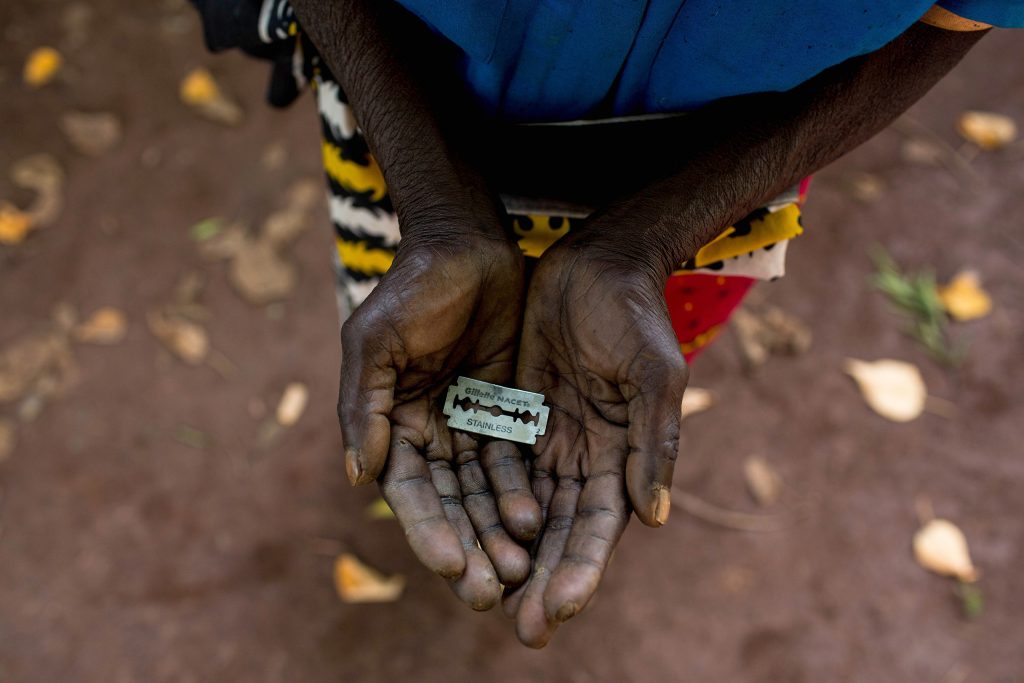
FGM: A Monster in Our Midst
FGM is more than just a harmful tradition—it is a violation of fundamental human rights. It deprives our girls and women of their dignity, stifles their potential, and traps entire communities in a cycle of underdevelopment. An empowered woman builds an empowered home, and empowered homes create thriving societies. To achieve this, we must protect the rights of every girl and woman.
Ending FGM is not just a women’s issue—it is a societal issue. It requires the collective resolve of all of us. By standing together, we can ensure that girls like Bokayo are given the chance to dream, learn, and thrive without the weight of outdated practices holding them back.
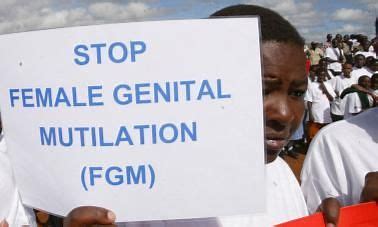
The Time to Act is Now
Every girl has the right to a life free from violence, oppression, and discrimination. The journey to end FGM starts with each of us—parents, community leaders, policymakers, and activists—taking a stand against this practice.
Bokayo, and the countless girls she represents, are counting on us. They are waiting for us to rise, to speak out, and to take action. This is our moment to renew our commitment, strengthen our resolve, and heighten our efforts to end FGM once and for all.
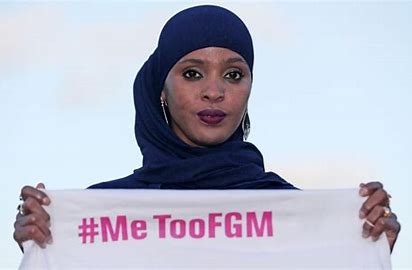
Hope for a Brighter Future
At Initiatives for Progressive Change (IfPC), we are working tirelessly to empower communities and end harmful practices like FGM. Through grassroots campaigns, youth networks, and women-led initiatives, we are creating safe spaces for dialogue, education, and change.
Let us come together to build a future where no girl has to endure the pain and suffering caused by FGM. A future where every girl can spread her wings, realize her potential, and contribute to an empowered society.
The fight against FGM is a fight for human rights, for dignity, and for progress. Let us not relent until every girl, everywhere, is free.
Hassan A. Mulata
Founder, Initiatives for Progressive Change (IfPC)